


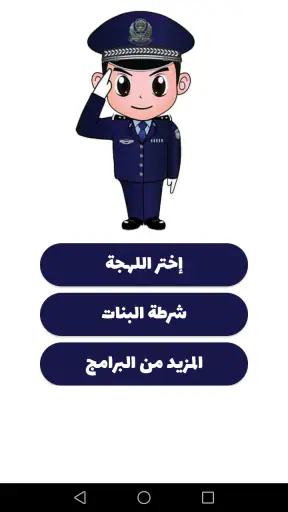
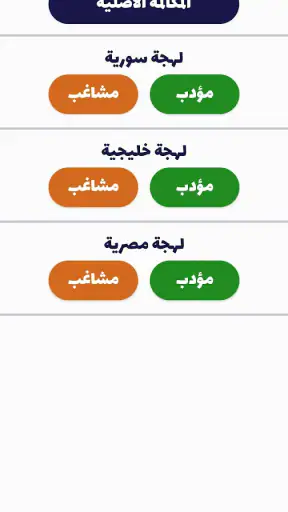
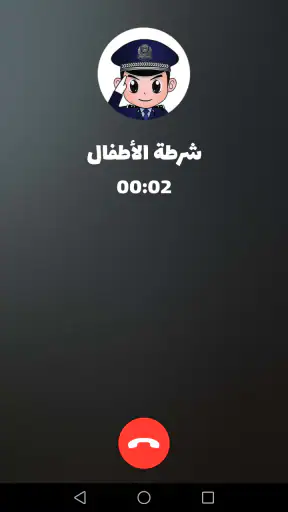
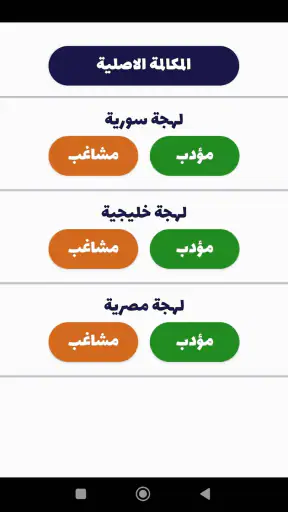


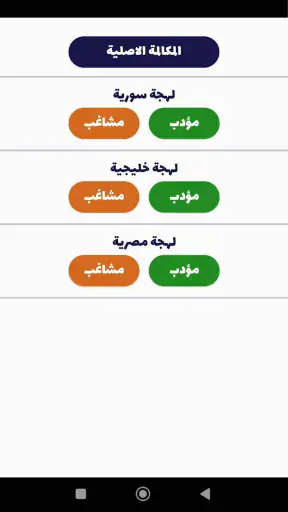
When a child is having a difficult moment, the promise of a pretend call from the police can seem like a quick way to regain attention. شرطة الأطفال - مكالمة وهمية takes that idea and turns it into a simple parenting app built around a fictional children’s police call. I tried to look at it as more than a novelty: does it work in an ordinary family routine, is it easy enough to use under pressure, and is the joke worth the possible downside?
My short answer is that it can be useful as an occasional attention reset, but I would not make it the foundation of discipline. The app is free, aimed at everyone, and belongs to the parenting category. It comes from Oub Apps, has passed the fifty-million-install mark, and holds an average rating of 4.1 from roughly 159 thousand ratings. Those figures suggest that the concept is familiar to a very large audience, although popularity does not remove the need to use it carefully.
How the current app fits into everyday parenting
The basic appeal is immediate. Instead of giving a long explanation to a child who is already ignoring instructions, a parent can present the idea that the children’s police are calling. In a calm household, that may interrupt a tantrum, stop a game before bedtime, or encourage a child to listen for a moment. The app is therefore less like a complete parenting toolkit and more like a role-play prop for a specific situation.
That distinction matters. I would not compare this directly with a routine planner, a reward chart, or a child-development guide. Those tools help build habits over time. This app is designed for a dramatic, short interaction. It may help you create a pause, but it does not teach a child why a rule exists, how to manage frustration, or how to repair behavior after a conflict.
A realistic example would be a child refusing to leave a playground. I might first give a clear warning, explain that it is time to go, and offer a simple choice such as walking to the car or holding my hand. If the child continues shouting, a brief pretend call could interrupt the cycle. Once the child is calm enough to move, the useful parenting work still comes from my own explanation and consistency, not from the phone.
The app works best when the adult remains in control of the situation. I would open it before approaching the child, keep the interaction short, and avoid turning it into a public performance. Using it while angry, repeatedly, or as a threat for every small mistake would quickly make the technique less effective and could make the child more fearful of police or authority figures.
The practical strengths of a very focused idea
The strongest quality here is focus. There is no need to build a complicated chart or prepare a long conversation before trying the concept. For a parent who wants a pretend-call tool rather than a broad family-management system, that narrow purpose can be convenient. It also makes the app easy to understand: the phone is used to stage a call, and the call becomes part of a disciplinary conversation.
Another useful point is accessibility. The app is free, carries an Everyone age rating, and supports devices running Android 5.0 or later. That combination makes it approachable for families using older Android phones. The current version is 2.1.8, so users with compatible devices are not being asked to rely on an obsolete release number from the early days of the product.
Still, compatibility should not be confused with a guarantee of a perfect experience on every phone. Older devices can behave differently from newer ones, particularly when switching between an app and a call-like screen. I would test it privately before depending on it during a rushed bedtime or a difficult outing. A tool that takes too long to open, plays at an awkward volume, or is obvious to an older child loses much of its practical value.
Three ways to use it more thoughtfully
My first tip is to treat the pretend call as a transition, not a verdict. Use it to move from chaos to conversation, then immediately state the real expectation: shoes on, toys away, hands gentle, or screen time finished. This prevents the app from becoming the only explanation for the rule. The child should eventually understand that the parent’s instruction matters even when the phone is not present.
My second tip is to reserve it for a small number of predictable situations. If the same child hears the police call every time they delay, the pattern becomes easy to recognize and the effect can disappear. More importantly, constant use can turn ordinary family boundaries into a fear-based routine. I would choose one context, such as leaving the house safely, and use normal reminders everywhere else.
My third tip is to plan the ending before starting the call. A pretend authority figure can create a strong emotional reaction, but the parent must know what happens next. I would lower the intensity, acknowledge the child’s feelings, and give one achievable action. Without that follow-through, the app may produce silence without cooperation, or obedience without understanding.
What the version and history tell existing users
The app was released on May 19, 2014, and its current version is 2.1.8. That long presence helps explain why the concept has reached so many families, but it also gives me a reason to keep expectations realistic. This is an established, focused utility rather than a newly designed parenting platform whose direction is obvious from frequent feature announcements.
For someone already using an earlier version, the most sensible approach is practical rather than speculative: update to the current version available for the device, test the main interaction, and see whether it still fits the family’s needs. I would not assume that a version number alone means the app has gained a full set of modern parenting tools. The important question is whether the pretend-call experience remains quick, understandable, and suitable for the child involved.
New users should also remember that a large install base is not a substitute for personal judgment. The app’s average rating of 4.1 indicates generally positive reception with room for disagreement. That makes sense because the same feature can feel amusing and useful to one family while feeling uncomfortable or manipulative to another. The child’s age, temperament, and previous experiences with emergency services all matter more than the headline rating.
The developer, Oub Apps, has kept the product recognizable as a children’s police fake-call application rather than turning it into a broad parenting suite. That consistency can be a benefit for people who want exactly this type of tool. On the other hand, parents seeking guidance, tracking, routines, or communication exercises will probably need a different app or a combination of ordinary household methods.
Where the approach can go wrong
The biggest limitation is emotional. Police are real people associated with safety, emergencies, and serious situations. Presenting them as a threat for everyday disobedience may make some children anxious, especially children who are sensitive, very young, neurodivergent, or already worried about uniforms and authority. I would avoid the app entirely if the child has recently experienced a frightening emergency or has a strong fear of police.
There is also a trust problem. Children eventually notice patterns, and discovering that a supposedly real call was staged can make them question other warnings. An older child may recognize the trick immediately, while a younger child may believe it too strongly. Neither outcome is ideal if the parent has not prepared a gentle explanation. I would never use the app to suggest that a child will be arrested, taken away, or punished by real officers.
Another weakness is that the app can encourage avoidance. It is tempting to reach for the phone instead of addressing the underlying issue: tiredness, hunger, overstimulation, unclear instructions, or a transition that was announced too late. If the same conflict keeps returning, the solution is probably a better routine rather than a more convincing pretend call.
Compared with a visual timer, this app is more dramatic but less transparent. A timer shows a child what is happening and gives them a chance to prepare. Compared with a reward chart, it creates an immediate interruption but offers no lasting motivation. Compared with calm verbal discipline, it may work faster in a crisis but risks damaging trust. I see it as a narrow extra tool, not a replacement for those alternatives.
Who should use it, and who should skip it
I can see a place for it in a family that already uses calm explanations and wants an occasional role-play device for a stubborn transition. It may suit parents who understand that the call is pretend and who can keep the tone light, brief, and age-appropriate. It is also a reasonable experiment for someone who wants a free option before spending time or money on a more elaborate parenting system.
I would skip it if the goal is long-term behavior change, emotional education, or structured family organization. I would also avoid it when the child is old enough to see through the setup and likely to feel mocked. Families that value direct, non-threatening communication may find a timer, a visual routine, or a clear consequence more consistent with their approach.
The free price removes a financial barrier, but it does not remove the social cost of using the idea badly. Before opening it, I would ask whether the child needs a boundary, a break, food, sleep, reassurance, or help expressing a feeling. If the real need is connection, a pretend authority call is probably the wrong instrument.
What I would watch during continued use
For current and future users, I would pay attention to whether the app remains a quick aid or starts replacing ordinary parenting. I would also watch how the child responds after the call: do they understand the next step, recover quickly, and feel safe, or do they become frightened and dependent on the threat? That response is more valuable than any download total.
From a product perspective, the current version gives the app a clear point in its evolution, but I would judge future changes by whether they improve control, clarity, and age-appropriate use rather than simply making the call more intense. A better experience would help parents de-escalate after the interruption, not encourage stronger threats. Until then, the responsibility remains firmly with the adult operating it.
My final view is cautiously positive. شرطة الأطفال - مكالمة وهمية is easy to understand, free to try, widely used, and specific enough to help in one narrow kind of parenting moment. Its value comes from timing and restraint, not from pretending that a phone can solve discipline. Use it as a brief bridge back to calm communication, never as a substitute for trust, explanation, and consistent boundaries. If that matches your parenting style, it may be worth testing carefully; if you want a calmer long-term method, the usual routine and communication tools are the better choice.


